
Modular Homes Alabama 2026 | High-Value Real Estate & Financing Guide
How modular construction is redefining affordable homeownership and long-term property value in Alabama.
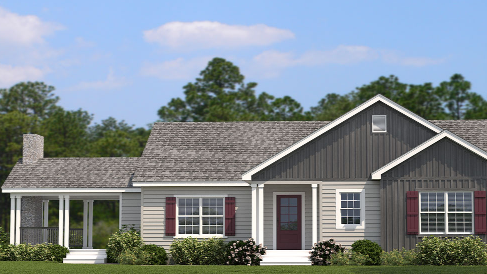
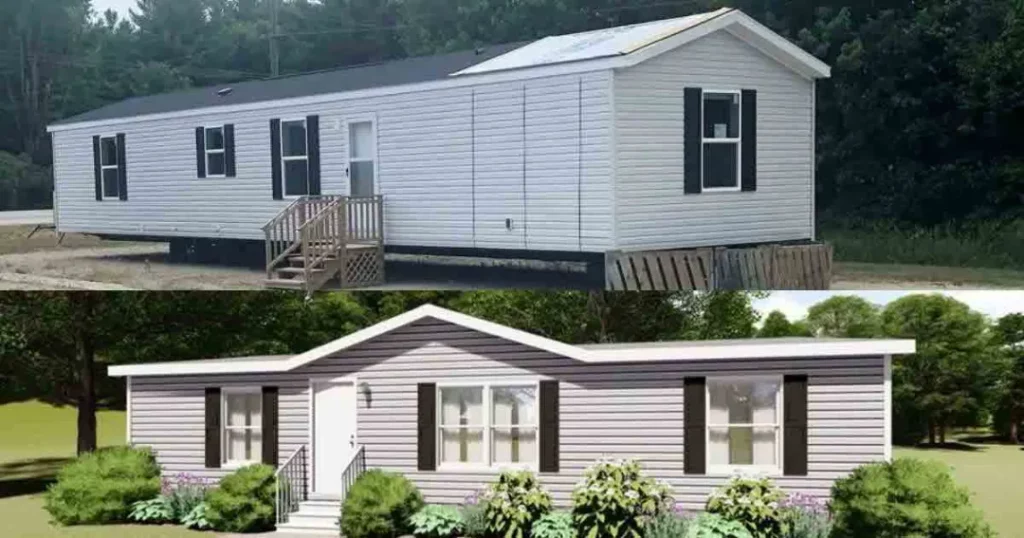
For years, modular homes were often misunderstood. Many buyers grouped them together with mobile or manufactured housing and assumed they were temporary structures with limited investment value. But as we move into 2026, that perception is changing rapidly—especially in Alabama.
With traditional home prices continuing to rise and inventory remaining tight, modular homes are emerging as a powerful homeownership “hack.” Buyers are discovering they can achieve permanent, high-quality housing at a more accessible price point—while still benefiting from property appreciation and traditional mortgage financing.
Here’s why modular homes are being reclassified not just as affordable housing, but as high-value real estate investments across Central Alabama.
Understanding What Makes Modular Homes Different
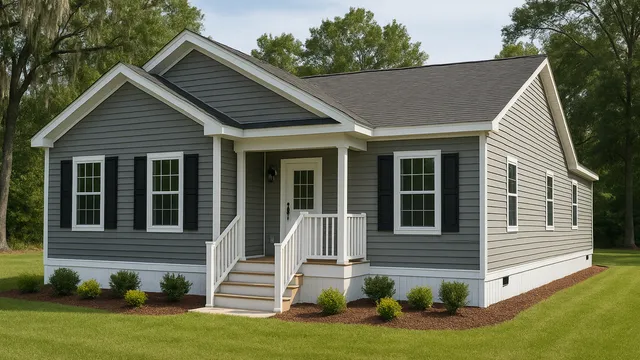
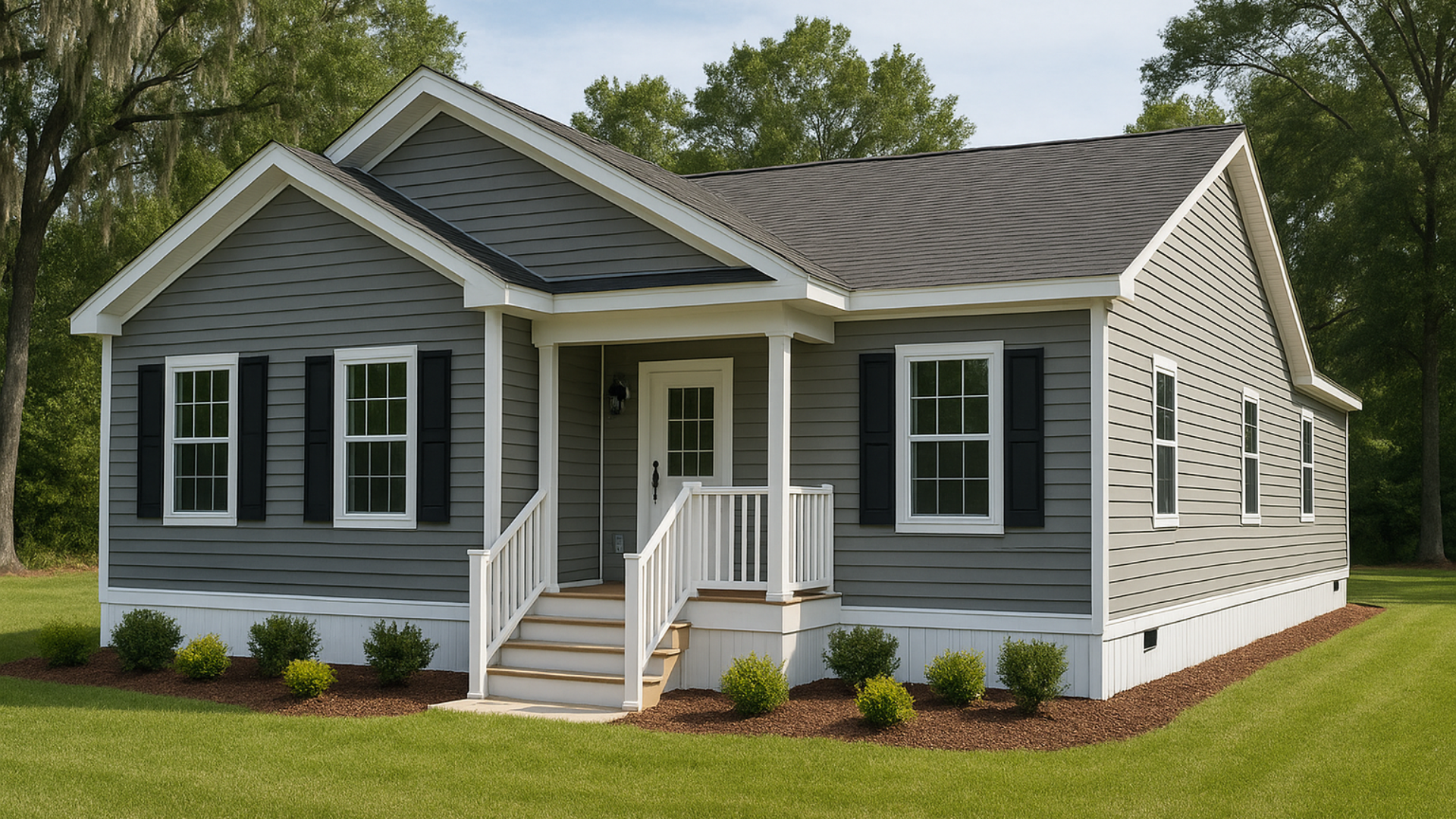
Modular homes are built in sections within a controlled factory environment and then transported to the home site for permanent assembly. Unlike manufactured homes, modular homes must meet the same local and state building codes as site-built homes.
Once installed on a permanent foundation, they are legally classified as real property, just like traditional houses.
This classification is a major factor behind their growing appeal in Alabama’s real estate market.
Why Real Property Classification Matters
When a modular home is considered real property, buyers gain access to financing options typically reserved for site-built homes, including:
- Conventional mortgages
- FHA loans
- VA loans
- Fixed long-term interest rates
This shift removes one of the biggest historical barriers to modular homeownership—limited or higher-cost financing.
In 2026, lenders increasingly recognize modular homes as stable, long-term investments due to improved construction standards and durability.
Affordability Without Sacrificing Permanence
Traditional home construction costs have risen sharply due to labor shortages, material costs, and supply chain disruptions. Modular construction offers a solution by:
- Reducing build timelines
- Minimizing material waste
- Lowering labor costs
These efficiencies translate into more affordable purchase prices while maintaining structural quality.
For Alabama buyers, this means the opportunity to own a permanent home sooner—without waiting years to afford site-built construction.
Energy Efficiency Designed for Alabama’s Climate
Central Alabama’s climate brings intense heat, humidity, and seasonal storms. Modern modular homes are engineered with these conditions in mind.
Key energy-efficiency features often include:
- Advanced insulation systems
- Energy-efficient windows
- Sealed ductwork
- High-performance HVAC compatibility
These features help regulate indoor temperatures, reduce energy bills, and maintain comfort during long Southern summers.
Storm Resilience and Structural Strength
Because modular homes are transported in sections, they must be built to withstand significant transportation stress before installation. This often results in:
- Reinforced framing
- Stronger structural connections
- Durable materials
When installed on permanent foundations, modular homes meet or exceed local wind and storm resistance standards—an important consideration for Alabama homeowners.
Appreciation Potential: A Changing Market Reality
Historically, many buyers worried whether modular homes would appreciate like traditional homes. In today’s market, that concern is diminishing.
Property appreciation depends largely on:
- Location
- Land ownership
- Market demand
- Property maintenance
Because modular homes are classified as real estate when permanently installed, they can appreciate similarly to site-built homes—especially in growing Alabama communities.
Faster Build Times Mean Faster Move-Ins
Another advantage of modular construction is speed. While traditional homes can take many months (or longer) to complete, modular homes are built simultaneously:
- Site preparation happens on location
- Home construction happens in the factory
This parallel process significantly reduces project timelines, allowing buyers to move in sooner.
Customization and Modern Design Flexibility
Today’s modular homes are far from cookie-cutter. Buyers can personalize:
- Floor plans
- Exterior finishes
- Cabinetry and countertops
- Flooring materials
- Lighting fixtures
This flexibility allows homeowners to create spaces that reflect their lifestyle while staying within budget.
Why Alabama Buyers Are Choosing Modular in 2026
Several factors are driving demand:
- Rising traditional home prices
- Financing accessibility
- Faster build timelines
- Energy efficiency needs
- Long-term property value
For first-time buyers, retirees, and growing families alike, modular homes offer a balance of affordability and permanence.
Final Thoughts
In 2026, modular homes are no longer viewed as temporary or secondary housing options. They are increasingly recognized as high-value real estate investments—offering financing advantages, structural durability, energy efficiency, and appreciation potential.
For Alabama buyers seeking a smarter path to homeownership, modular construction represents a modern solution that blends affordability with long-term value.
Jaco Sales, LLC - Resources