
Keeping Your Manufactured Home in Top Shape: A Guide to Repair Parts & Maintenance Essentials
Your manufactured home's care doesn't end at move-in — here's what keeps it running well for years to come
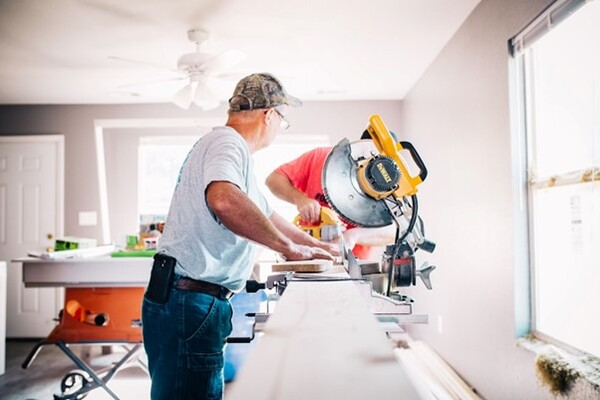
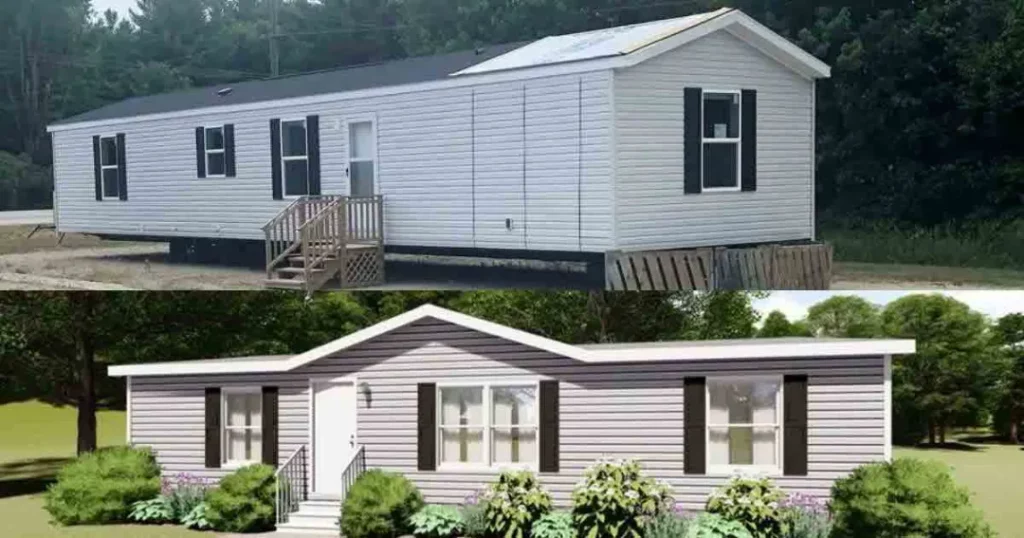
Owning a manufactured home comes with the same basic truth as owning any home: regular upkeep is what protects your investment over the long run. The difference is that manufactured homes have their own set of components — skirting, specialized steps, tie-downs, unique trim profiles — that don't always match what a general hardware store carries. Knowing what to maintain, how often, and where to find the right parts makes a real difference in how well your home holds up over time.
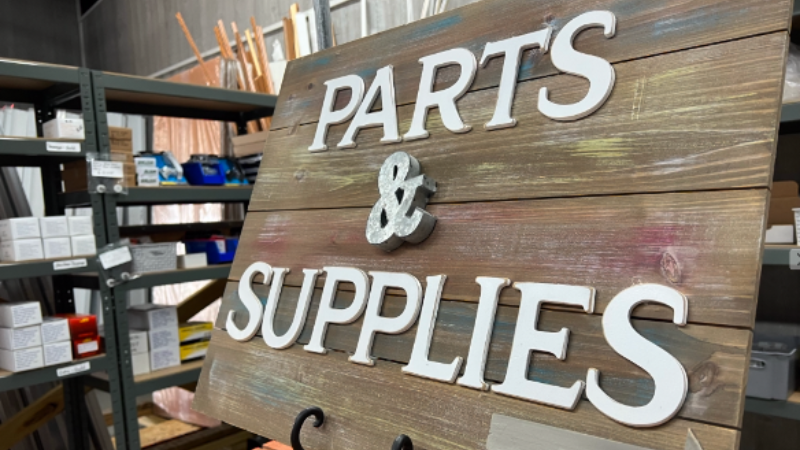
For homeowners across Montgomery and the surrounding River Region, the Jaco Sales Parts Store is built to be that ongoing resource — not just a place to buy a home, but a place to keep one running well for years afterward.
Why Manufactured Home Maintenance Looks a Little Different
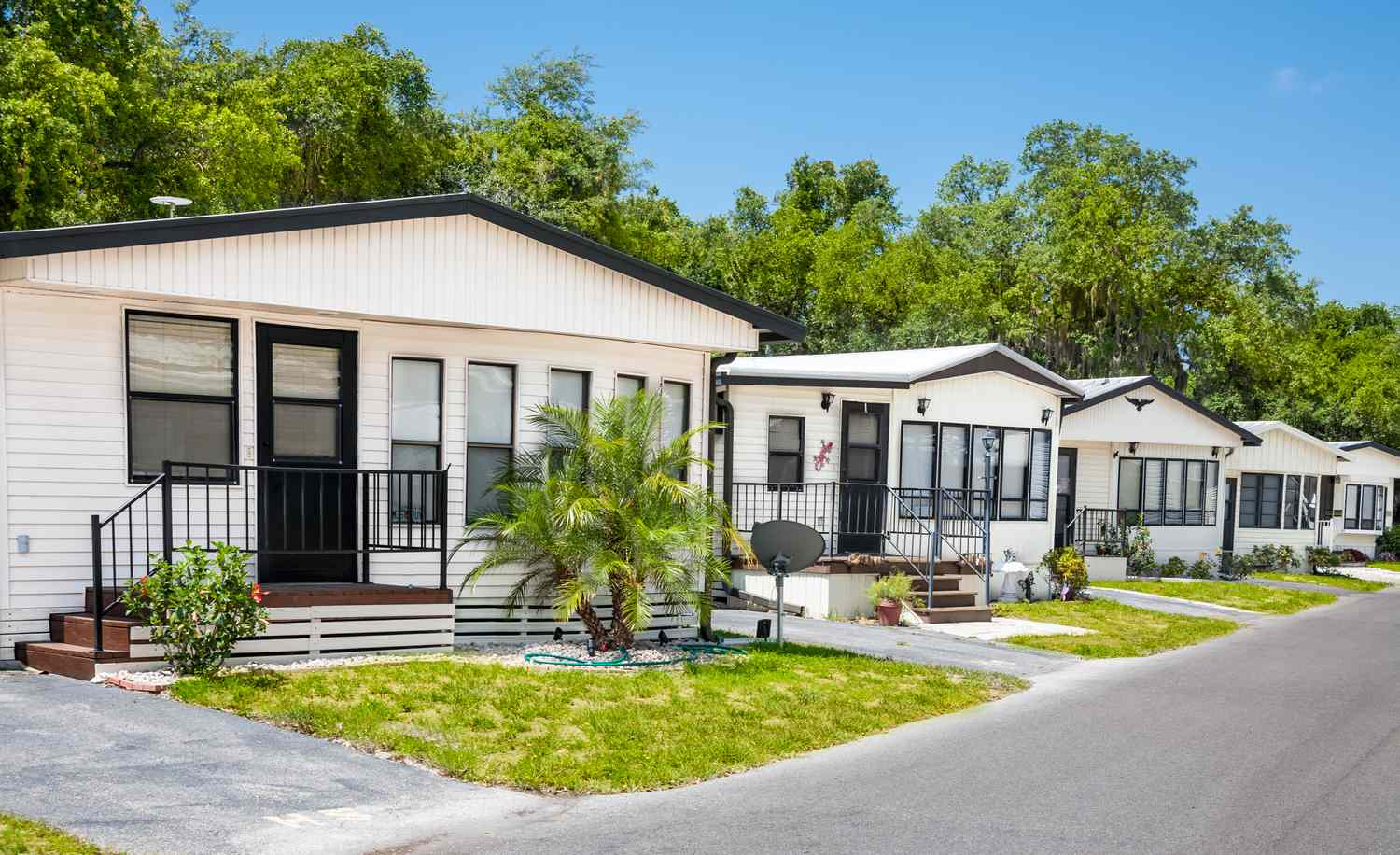
Site-built homes and manufactured homes share plenty of overlapping maintenance needs — roofing, plumbing, electrical systems. But manufactured homes also have components specific to their construction and setup, which means generic home-improvement parts don't always fit correctly. Skirting panels, entry steps designed for the home's specific height off the ground, belly-board and underbelly materials, and certain trim and siding profiles are typically sized and styled for manufactured housing specifically.
This is precisely why so many owners eventually go looking for a dedicated parts source rather than assuming their local hardware store will have what they need. Buying the correct, purpose-built part the first time also tends to save money and hassle compared to improvising with an ill-fitting substitute that needs replacing again within a year or two.
Skirting: Small Repairs That Prevent Bigger Problems
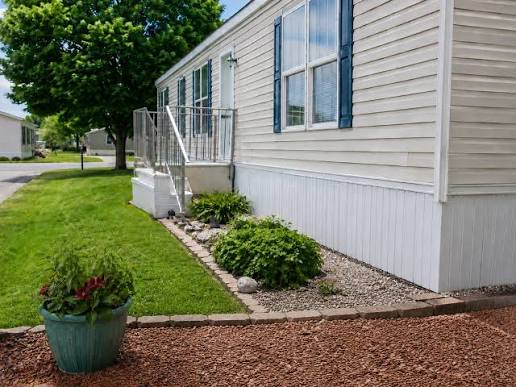
Skirting does more than finish off the look of a manufactured home — it protects the underbelly, blocks pests and rodents from nesting underneath, helps regulate temperature around plumbing lines, and shields insulation from moisture and wind. Over time, skirting panels can crack, warp, or pop out of their track, especially after storms or repeated freeze-thaw cycles.
Common skirting maintenance includes:
- Replacing cracked or missing panels before pests or moisture find their way in
- Checking and reinforcing the track or fasteners that hold panels in place
- Ensuring vents built into skirting remain clear and functional for proper underbelly ventilation
Left unaddressed, minor skirting damage can lead to much costlier problems, including pipe damage from cold air infiltration or moisture buildup that affects the home's flooring and insulation from below.
Steps and Entryways: A Safety Priority
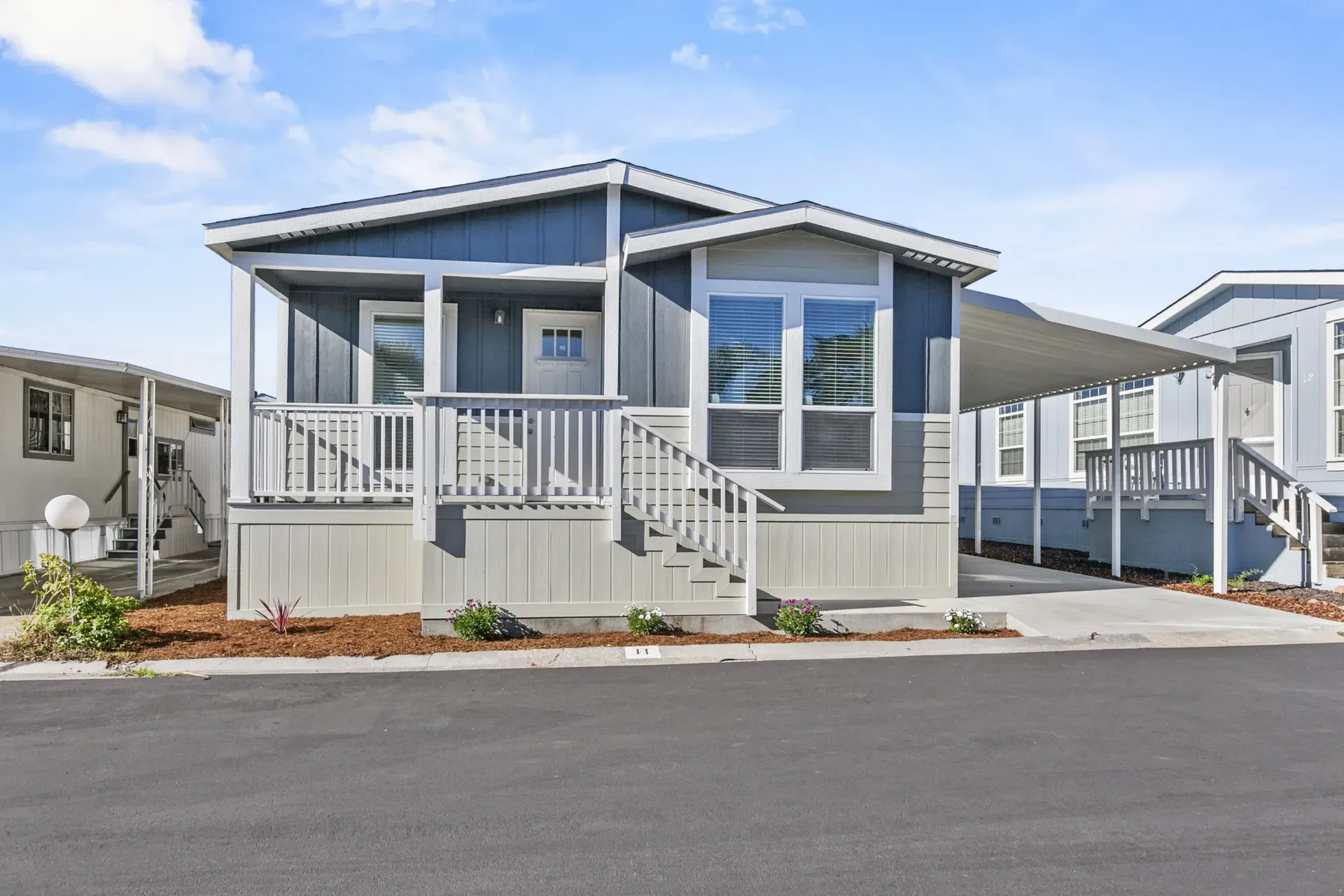
Steps see heavy daily use and are exposed to weather year-round, which makes them one of the more frequently replaced components on a manufactured home. Wood steps can rot, metal steps can rust, and improperly leveled steps create a real safety hazard, particularly for older residents or homes with young children.
Homeowners should periodically check:
- Whether steps are still securely attached to the home and to the ground or landing pad
- Signs of rot, rust, or structural wobble
- Handrail stability, since a loose rail is one of the most common fall risks around a home's entry
Replacing a full step unit — rather than patching an unstable one — is often the safer and more cost-effective choice in the long run.
HVAC Upkeep: Comfort and Efficiency
Heating and cooling systems in manufactured homes often use ductwork and equipment sized specifically for the home's floor plan, so proper maintenance keeps both comfort and energy bills in check. Routine HVAC upkeep should include:
- Regular filter changes to maintain airflow and efficiency
- Inspecting duct connections underneath the home for gaps, disconnections, or crushed sections
- Scheduling seasonal system checks before peak summer and winter demand
- Sealing any visible duct leaks, which can otherwise waste a significant share of conditioned air
Because underbelly ductwork is a manufactured-home-specific detail, replacement parts and boots are best sourced from a supplier familiar with these systems.
Trim and Exterior Details
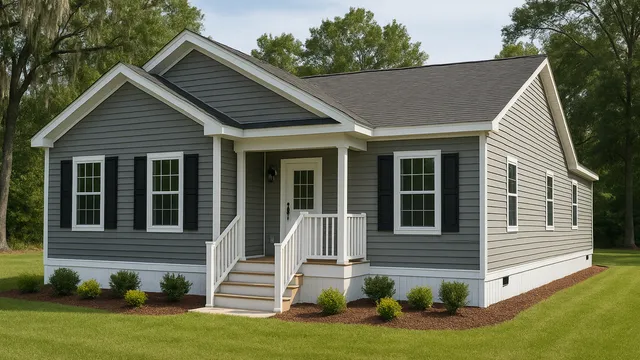
Exterior trim — around windows, doors, and rooflines — plays a bigger role than most owners realize in preventing water intrusion. Cracked or missing trim pieces can allow moisture behind siding, eventually leading to rot or mold if left unaddressed. Periodically walking the exterior of the home to check trim, caulking, and siding seams is a simple habit that heads off much larger repair bills down the road.
Building a Maintenance Rhythm
Rather than waiting for something to break, many owners find it easier to build maintenance into a seasonal rhythm:
- Spring: Inspect skirting and underbelly ventilation after winter; check steps for any storm damage
- Summer: Service HVAC systems ahead of peak cooling season; inspect exterior trim and caulking
- Fall: Clear gutters and downspouts; recheck skirting seals before cold weather
- Winter: Monitor underbelly insulation and pipe protection; keep an eye out for ice-related step hazards
A predictable schedule like this turns maintenance into routine upkeep instead of reactive, expensive repairs.
A Resource Beyond the Initial Purchase
One of the most overlooked aspects of manufactured home ownership is that the relationship with a trusted dealer doesn't have to end at closing. Having access to a parts store that understands the specific components of your home — rather than generic hardware store substitutes — means faster repairs, better-fitting parts, and less guesswork.
For homeowners throughout Montgomery, Prattville, Wetumpka, Millbrook, and the wider River Region, having a nearby, knowledgeable source for skirting panels, steps, HVAC components, and trim means small maintenance issues can be handled quickly, before they turn into costly repairs. Whether you're a long time owner or just moved into your home this year, keeping a running list of maintenance needs — and knowing exactly where to source the right parts — is one of the simplest ways to protect your home's value and comfort for years to come.
Jaco Sales, LLC - Resources