Modular Home vs Manufactured Home: A Buyer's Guide for the Alabama River Region
Understanding construction codes, financing pathways, and site installation across Montgomery and the River Region.

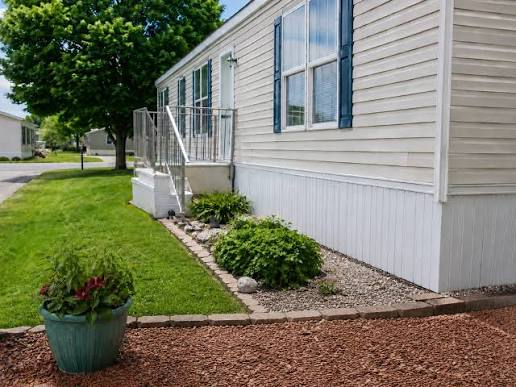
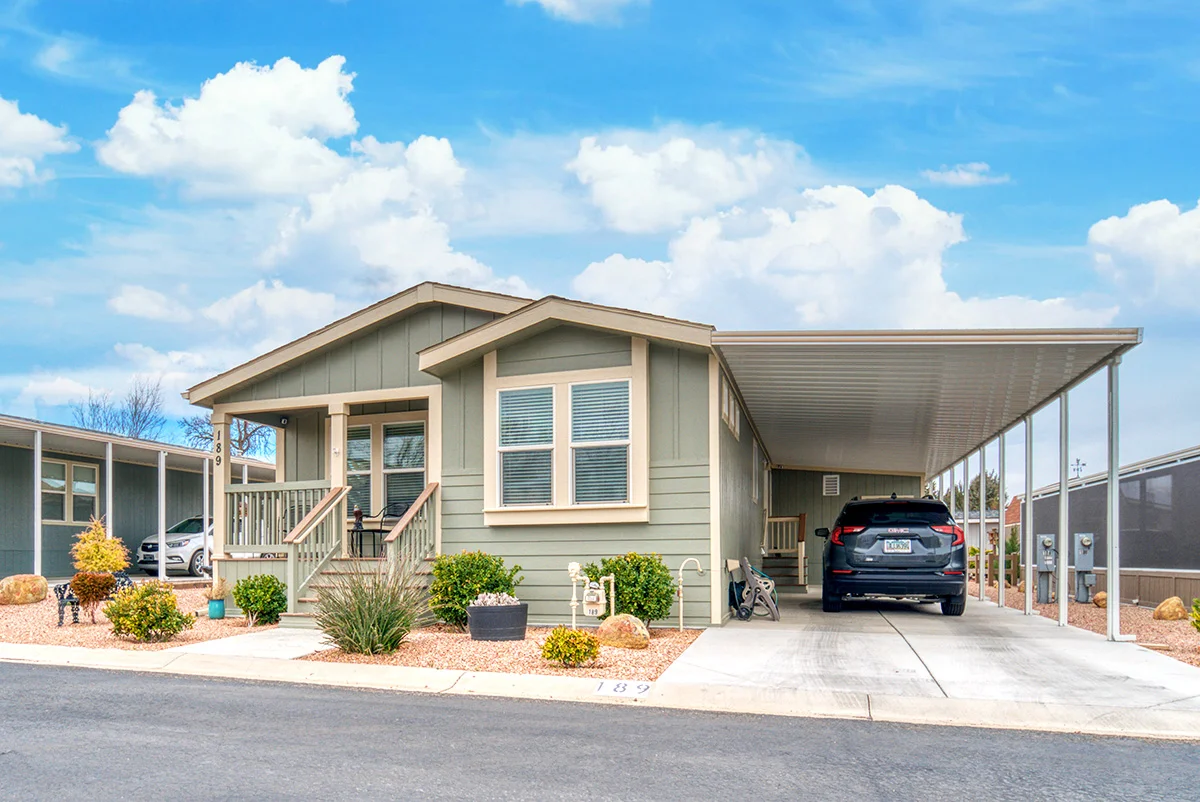
Manufactured homes follow federal HUD construction standards and often rest on frames with tie-downs, requiring mobile home insurance. Modular homes meet local and state building codes, use standard homeowners insurance, and suit permanent foundations. Jaco Sales, LLC guides Alabama River Region buyers through both options, including turnkey land-home packages through its First Call Realty partnership.
Key Takeaways
- Manufactured homes built before June 15, 1976 are classified as mobile homes under HUD regulations.
- Modular homes meet local building codes and sit on permanent foundations unlike manufactured homes.
- Factory construction reduces costs for both modular and manufactured homes compared to site-built options.
- Jaco Sales offers manufactured, modular, Cross Mod®, and site-built homes to fit different homeownership needs.
What's The Real Difference Between These Home Types?
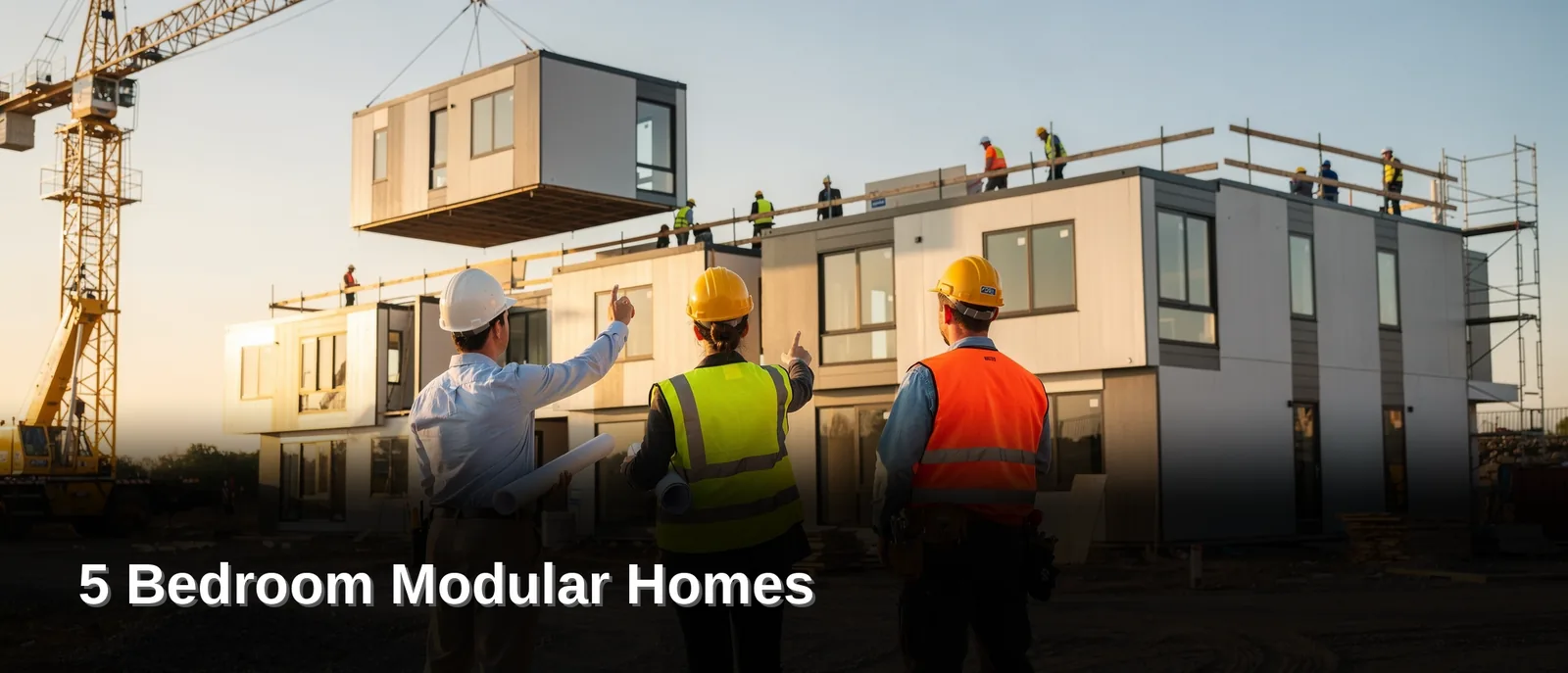
The construction method draws the clearest line between these two home types, not price or curb appeal. Modular homes describe a factory-based building process. Complete sections are assembled on an assembly line before being transported and set on a permanent foundation at the final site. Manufactured homes follow a different path: full homes are built off-site and shipped as one unit, a method marketed heavily on speed. Factory assembly cuts weeks off traditional construction timelines.
Confusion between the two terms runs deep in the industry. Buyers and sellers alike use "modular" and "manufactured" interchangeably, even though the two refer to different building methods, different codes, and different financing paths. That overlap in language causes real problems for families comparing properties in Montgomery, Prattville, or Wetumpka without a clear picture of what each term actually means.
The regulatory distinction matters most. Modular homes must meet local and state building codes, the same standards applied to traditional site-built construction. Manufactured homes, by contrast, are governed by a federal HUD code rather than local building requirements. That single difference shapes financing options, insurance requirements, and resale considerations down the road.
Modular homes are built to meet local and state building codes, with sections constructed in a factory and assembled on-site, making them closely aligned with traditional site-built homes. Manufactured homes are also factory-built but are shipped as complete units and constructed according to the federal HUD code, with faster build times being one of their main advantages.
Are modular and manufactured homes built to the same standards?
No. Modular homes answer to local and state building codes, placing them under the same inspection framework as traditional construction. Manufactured homes operate under a separate federal HUD standard, a distinction that affects everything from permitting to long-term value in the Alabama River Region.
How Do Building Codes And Standards Compare?
Federal rules govern one category, and state and local codes govern the other. Manufactured homes fall under HUD regulation and often rest on metal frames secured with tie-downs rather than a permanent foundation. Modular homes follow the same building codes used for site-built construction in Alabama, which changes how they're built, financed, and insured.
That distinction shapes more than paperwork. Modular units typically arrive in two or more sections, then get set on a crawlspace or basement. The finished result looks and functions like a traditional stick-built home once assembly wraps up.
Does The Building Code Affect Insurance?
Yes, and the effect is significant for homeowners. Because modular homes meet standard local. State codes, they qualify for a standard homeowners insurance policy instead of a mobile home policy. Manufactured homes, built to HUD standards, require mobile home insurance. Buyers across Montgomery, Prattville, and Wetumpka should confirm which category their home falls into before shopping for coverage.
Can Sellers Misrepresent A Manufactured Home As Modular?
Unfortunately, yes. Industry records show cases where builders. Real estate agents marketed manufactured homes as modular, leaving buyers without enough information to catch the difference. Mislabeling creates real risk: a buyer expecting standard homeowners coverage and site-built resale value may instead own a HUD-regulated home with different insurance requirements and financing terms.
Manufactured homes are built to HUD federal standards and typically use a metal frame with tie-downs, while modular homes follow state and local building codes and are generally placed on a crawlspace or basement foundation. Manufactured homes usually require a mobile home insurance policy, whereas modular homes typically qualify for standard homeowners insurance. Buyers in the River Region should confirm which building code applies before signing a purchase agreement.
Which Option Saves More Time And Money?
Manufactured homes generally reach move-in day faster. Modular construction often narrows the price gap with traditional building for families weighing a modular home vs manufactured home purchase across the River Region. Faster build time ranks among the top reasons Montgomery-area, Prattville, and Wetumpka buyers choose manufactured homes over other construction paths.
Factory construction drives the speed advantage for both options. Building indoors, away from weather delays, allows crews to work with greater accuracy and efficiency than traditional site-built methods, shortening the overall schedule. That efficiency translates into real savings for families working against a lease deadline or a moving timeline.
Pricing tells a similar story, though the two paths diverge slightly:
Both manufactured and modular homes can offer significant cost savings compared with traditional site-built homes. Manufactured homes can cost roughly half as much as traditional homes with comparable materials, while modular homes are generally less expensive than similarly sized stick-built homes. Overall, both options provide a more affordable alternative, with manufactured homes typically offering the greater cost savings.
Does A Faster Build Always Mean A Lower Price?
Not necessarily. Faster construction reduces labor costs and shortens the window for weather delays, which drives savings for manufactured homes specifically. Modular homes still build faster than stick-built homes, even though their price advantage comes more from efficient factory methods than from speed alone. Buyers should weigh timeline against budget to see which factor matters most for their household.
For many River Region families, manufactured homes answer both questions at once: a shorter path to the keys and a smaller price tag. Modular buyers trade a portion of that savings for construction that follows local. State building codes, a tradeoff worth weighing against each family's property plans and financing goals.
What About Land, Delivery, And Setup Costs?
Land, delivery, and setup costs merge into a single transaction when buyers choose a land-home package. A land-home deal combines a parcel of land with a manufactured or modular home into one streamlined purchase, rather than treating lot acquisition and home construction as separate projects. Buyers who shop for land and home separately risk duplicated paperwork, mismatched closing timelines, and setup costs that surface late in the process.
Bundling the two together changes that outcome. Combining a land purchase with a home purchase saves time, effort, and potentially money compared to coordinating each step independently. Instead of juggling a lot purchase, a home order, and a separate delivery contract, buyers in Montgomery, Prattville, and Wetumpka work from one coordinated plan.
Does Land-Home Pricing Work The Same For Modular And Manufactured Homes?
Pricing structure stays similar across both options, since land, delivery, and setup remain distinct cost categories regardless of home type. The real difference between a modular home vs manufactured home package often comes down to site preparation needs. Local building code requirements, not the land-home bundling process itself.
Jaco Sales, operating from its Montgomery, Alabama location, partners with First Call Realty to connect buyers across the River Region with turnkey, move-in-ready land-home packages. That partnership keeps pricing competitive while simplifying a process that otherwise involves multiple contracts and contractors.
Before signing, buyers should confirm exactly what a land-home quote covers:
- Land acquisition and any site survey work
- Delivery of the home to the property
- Setup, levelling, and foundation preparation
- Utility connection coordination
Jaco Sales promotes a no-hidden-fees approach, so delivery and setup terms stay clear from the first quote through move-in day.
How Should Alabama River Region Buyers Decide?
Deciding between a modular home and a manufactured home starts with matching construction method to long-term goals, not just upfront price. Buyers in Montgomery, Prattville, Wetumpka, and neighbouring communities face different site requirements, financing paths, and resale considerations depending on which building method they choose. Jaco Sales has served new homeowners throughout Montgomery, Tallassee, Pike Road, Tuskegee, Auburn, Prattville, Wetumpka, and other River Region communities, giving the team first hand insight into what works on local lots and in local lending offices.
Construction differences matter more than most buyers realize. Modular homes typically follow local building codes and can blend more easily into traditional neighbourhoods, while manufactured homes offer factory efficiency and often a faster path to move-in. Understanding these construction-method differences helps buyers better evaluate which option fits their homeownership goals before signing a contract.
What Should a First-Time Buyer in the River Region Ask Before Choosing?
First-time buyers should ask how each home type affects land requirements, financing terms, and future resale value. Those questions look different for a family settling in Prattville than for a retiree in Wetumpka. Personal circumstances should drive the decision. Working through those questions with an experienced professional, rather than alone, reduces costly guesswork.
A few practical steps help narrow the choice:
- Compare site requirements for each home type against the intended property.
- Review financing terms specific to modular versus manufactured construction.
- Ask about long-term maintenance and warranty support.
Experienced home sales professionals guide buyers through every step toward their dream home. Prospective buyers are invited to visit Jaco Sales. Let the team help them find the home that fits their life.
FAQ
What's the main difference between modular and manufactured homes?
The difference lies in construction method and governing codes. Modular homes are built in factory sections and assembled on a permanent foundation under local and state building codes. Manufactured homes are built as complete units under federal HUD code.
Are modular and manufactured homes built to the same standards?
No. Modular homes follow local and state building codes, the same standards used for site-built construction. Manufactured homes are governed by a separate federal HUD code, which affects permitting, financing, and insurance.
Does Jaco Sales offer both modular and manufactured homes?
Yes. Jaco Sales, LLC, located in Montgomery, AL, offers manufactured, modular, CrossMod®, and site-built homes, helping Alabama River Region buyers choose the option that fits their homeownership needs.
Conclusion
In closing, the distinction between modular and manufactured homes reflects different construction methods and regulatory frameworks. Both pathways lead to quality, affordable homeownership. Your choice depends on your specific needs, budget, and long-term vision for your home. Our experienced team stands ready to guide you through the options available in central Alabama, ensuring you make an informed decision that aligns with your family's goals and financial circumstances.
Jaco Sales, LLC - Resources